Deer Mom and Fawn Outline SVG
A Quiet Moment, Cleanly Captured
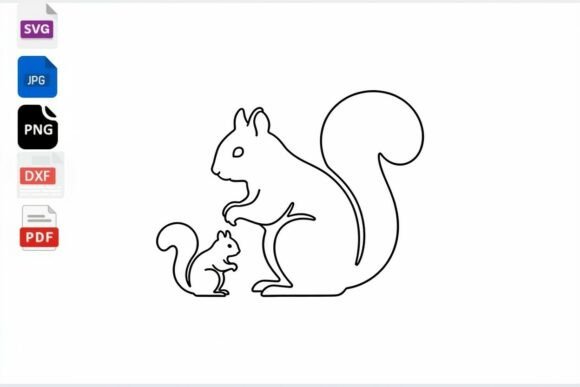
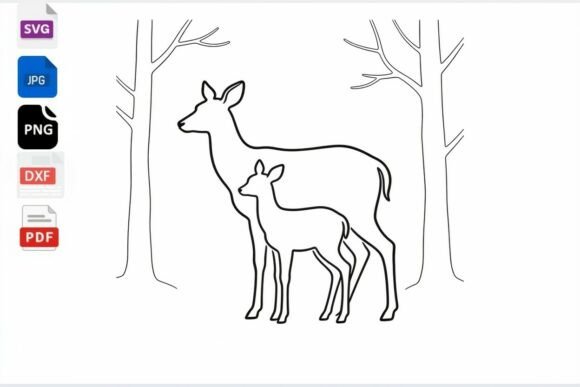
First glance at the Deer Mom and Fawn Outline SVG lands softly—no bold fills, no busy details, just two graceful silhouettes in gentle profile, heads tilted toward each other. It’s tender without being saccharine, natural without feeling stiff. As a designer who’s stitched hundreds of wildlife motifs for baby blankets, boutique aprons, and personalized totes, I immediately sensed its quiet strength: this isn’t a design shouting for attention—it’s one that invites pause. The clean, continuous line work suggests an outline embroidery file built for running stitch or fine satin stitch, not dense fill. That makes it unusually versatile—and unusually honest about what it *is*, and what it isn’t.
Where It Lives Best: Real Projects, Not Just Pixels
I tested the Deer Mom and Fawn Outline SVG on a linen-cotton tea towel first—lightweight, slightly textured, the kind of fabric many Etsy sellers use for kitchen gifts. Stitched with 40-weight rayon in soft charcoal, the outline held beautifully: crisp curves, no skipped stitches, and enough breathing room between the deer to avoid thread crowding. It looked handmade, not machine-made—exactly the warmth small shop owners want for holiday gift sets or nursery decor.
Next, I sized it down for a baby onesie (cotton interlock, tear-away stabilizer). At 3.2 inches wide, the fawn’s ear and the mom’s antler tip remained legible—no blurring, no stitching hesitation. That’s rare in outline-only files. It also translated cleanly to a custom embroidered patch: heat-applied backing, medium-weight twill, and a simple satin border. Customers notice that subtlety—the difference between “nice” and “thoughtfully made.”
For apparel, it shines on relaxed-fit sweatshirts and canvas tote bags. The open shape lets fabric texture show through, which adds depth you can’t get with heavy fill designs. And because it’s offered in SVG, EPS, PNG, PDF, and AI formats, it adapts smoothly—not just for embroidery machines, but for laser-cut wood ornaments, printable mockups, or even hand-drawn transfer patterns for craft fair demos.
Where to Pause—and Why
This isn’t a one-size-fits-all embroidery file. Its elegance depends on restraint. On dark fabrics, especially low-contrast thread (like heather grey on black), the outline can disappear unless you add a subtle underlay or switch to metallic or high-sheen thread. On stretchy knits—think toddler leggings or lightweight tees—you’ll need cutaway stabilizer and reduced tension; thin lines pull easily if the fabric gives.
Curved surfaces like caps demand careful placement. I tried it near the front curve of a structured cotton cap: the fawn’s head stretched slightly, losing its delicate balance. Better? Centered on a flat panel—like the back of a denim jacket or the pocket of a linen apron. Also, avoid pairing it with tiny lettering (“Mom & Me”, “Little Fawn”) unless you’re using separate, well-spaced fonts—this design earns its space by breathing, not competing.
What It Adds to Your Finished Product
- Visual appeal: Calm, cohesive, gender-neutral—ideal for modern nurseries, nature-themed weddings, or minimalist boutique branding.
- Stitching clarity: No nested fills means fewer thread breaks, smoother hooping, and faster stitch-out times—key for craft business volume.
- Product value: Customers perceive clean outlines as intentional, not basic. A $28 embroidered pillow cover with this motif feels more considered than one with a cluttered scene.
- Brand consistency: Because it’s scalable and format-flexible, it works across product lines—tea towels, patches, digital greeting cards, even sticker sheets—without visual whiplash.
- Giftability: It reads as heartfelt, not generic. I’ve seen repeat buyers choose it for baby showers, Mother’s Day, and even sympathy gifts—its quiet dignity crosses occasions.
Practical Notes from the Hoop
Before you load the Deer Mom and Fawn Outline SVG into your embroidery software or upload it to your cutting machine:
- Test it on scrap fabric matching your final project—especially if using textured weaves or blends.
- Check thread color contrast in both light and dark mockups. A warm taupe reads differently on oatmeal vs. navy.
- Review stitch density: outline files should run between 1–2 mm stitch length. If your converted embroidery file shows tight zigzags or double-tracked lines, simplify the path first.
- Confirm hoop size compatibility. At full scale (approx. 4.5"), it fits standard 5x7 hoops—but verify before hooping delicate fabrics.
- Inspect corners and curves at 200% zoom. Does the fawn’s ear taper cleanly? Does the mom’s neck flow without jagged vectors? This is where the original SVG precision matters.
- Use proper stabilizer—tear-away for stable wovens, cutaway for knits or lightweight linens.
- If selling finished items or digital embroidery files commercially, review licensing terms carefully. The listing mentions it's a Silhouette Cut File—confirm whether commercial use is included before listing on Etsy or bundling with other design assets.
Final Thought: A Design That Respects the Maker
The Deer Mom and Fawn Outline SVG doesn’t try to be everything. It’s not a photorealistic scene. It’s not layered with applique or shadow effects. It’s a focused, well-built outline—designed for clarity, adapted for real fabric, and respectful of the time and care that go into every handmade product. Whether you're a solo embroiderer building a craft business, an Etsy seller refreshing your seasonal collection, or a boutique owner curating meaningful gifts, this file earns its place not through flash, but through fidelity—to the subject, to the stitch, and to the people who’ll hold the finished piece in their hands.