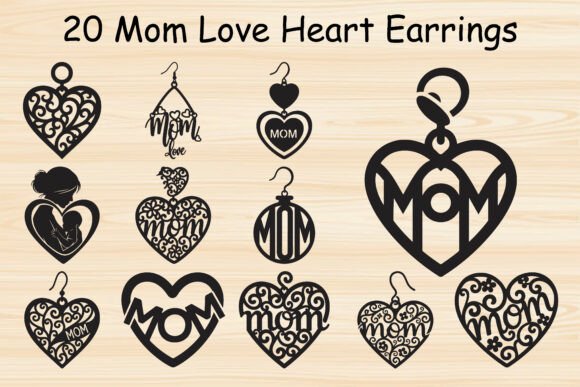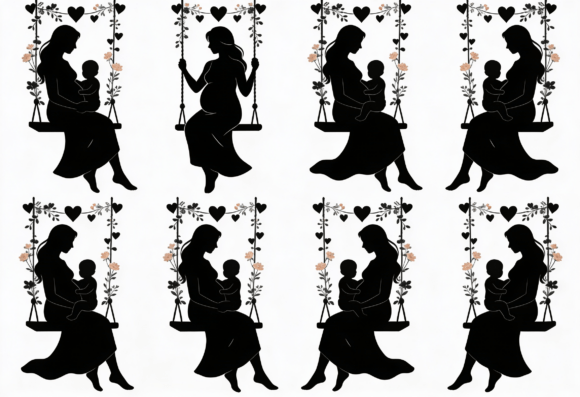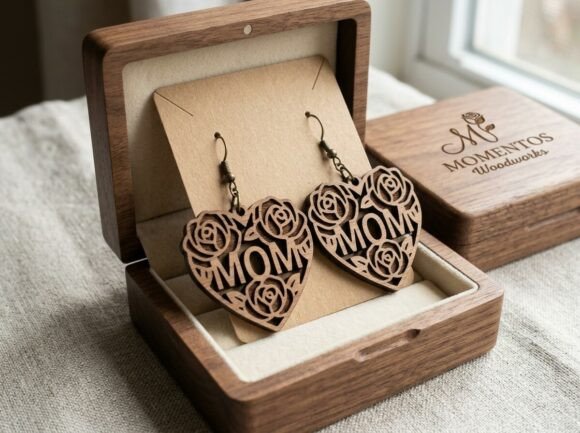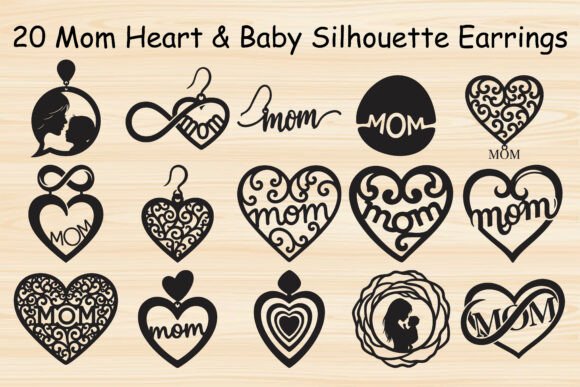
Mom Heart Baby Silhouette Earring
A Designer’s First Look: Soft, Sincere, and Stitch-Ready
When I opened the Mom Heart Baby Silhouette Earring bundle, my first thought wasn’t “cute”—it was “considered.” These aren’t generic clip-art hearts with stick-figure babies. The silhouettes carry quiet weight: gentle curves, intentional negative space, and a subtle asymmetry that feels human—not algorithmic. As an embroidery designer who’s stitched hundreds of sentimental motifs for boutique clients and Etsy sellers, I immediately recognized this as a design built for resonance, not just repetition. It leans into tenderness without tipping into sentimentality—a rare balance in the Crafts category.
Where This Design Truly Shines (and Why Your Customers Will Pause)
I recently used one variation from the Mom Heart Baby Silhouette Earring collection to embroider a linen baby blanket for a client’s newborn announcement gift. The result? A soft, centered motif—no text, no clutter—just mother and child nestled inside a heart, rendered in delicate satin stitch. Guests at the baby shower didn’t just glance; they traced the outline with their fingers. That’s the power of intentional silhouette work: it invites quiet attention. This design excels on items where emotional clarity matters most—nursery pillow covers, organic cotton onesies, minimalist tea towels, and unisex sweatshirts for expecting parents. It also translates beautifully into embroidered patches for handmade aprons or tote bags sold at craft fairs. For Etsy sellers and small shop owners, it adds instant warmth to product photography and strengthens brand storytelling without needing words.
Real Embroidery Behavior: What Happens Under the Needle
In practice, the Mom Heart Baby Silhouette Earring holds up well across common substrates—but with caveats. On medium-weight cotton (like a standard tote bag or pillow cover), the fill stitch density is balanced: clean edges, no puckering, and enough openness to read clearly at 3–4 inches wide. On baby onesies? I recommend using a lightweight cutaway stabilizer and reducing stitch count slightly in the inner curves—those fine silhouette transitions can blur on ultra-thin knit fabric if overstitched. For caps or curved surfaces, avoid the most intricate versions; stick to the bolder, more simplified silhouettes in the bundle. And on dark fabric? Test contrast early: some versions rely on subtle layering that fades against charcoal or navy unless you boost thread saturation or add a light underlay.
Where Caution Is Key
- Small hoop sizes (under 4”): Several designs include fine interior details—tiny hands, overlapping contours—that risk stitching poorly below 3.5”. Always check the smallest recommended hoop size before digitizing.
- Stretchy or textured fabrics: Ribbed knits and terry cloth demand extra stabilization. The heart’s smooth outer edge helps, but baby silhouette details may distort without proper backing.
- Dense decorative accents: Don’t pair this motif with heavy bullion or layered appliqué nearby—it’s a quiet design. Let it breathe.
- Frequent-wash items: For baby blankets or kitchen towels, verify stitch density isn’t so low that fill areas pill over time. A mid-range density (e.g., 0.4mm fill spacing) tends to hold best.
How It Elevates Your Handmade Product—and Your Reputation
As a designer who reviews hundreds of digital embroidery files yearly, I notice how much trust customers place in cohesive, emotionally intelligent design. The Mom Heart Baby Silhouette Earring doesn’t shout—it connects. That builds credibility. When your craft business offers personalized gifts with this motif, buyers don’t just see embroidery; they see care in curation. It reinforces professionalism, especially when paired with clean mockups and thoughtful presentation. For commercial embroidery shops, it’s a safe yet distinctive option for hospitals, birth photographers, or parenting influencers who want tasteful, non-gendered keepsakes. And for digital product sellers, its versatility across apparel, home goods, and nursery decor means broader licensing potential—if terms allow.
Practical Notes Every Embroidery Designer Should Run Through
- Test the Mom Heart Baby Silhouette Earring on scrap fabric matching your final substrate—especially if using organic cotton, bamboo blends, or performance knits.
- Compare thread color options in both light and dark mockups. Some versions gain strength in monochrome; others need warm neutrals (oatmeal, rose quartz) to retain softness.
- Inspect small corners and interior cutouts. If your machine struggles with tight turns, simplify or manually adjust those points before stitching.
- Use tear-away stabilizer for stable wovens; cutaway for knits or stretchy fabrics. Skip fusible unless testing first—the heat can warp delicate linens.
- Review licensing carefully. Since this is marketed as a Graphics bundle, confirm whether resale of finished embroidered items is permitted—and whether derivative designs (e.g., adding names or dates) fall under commercial use.
- Always generate a printable mockup before listing on Etsy or sending to a client. Does it look intentional at 2x scale? At thumbnail size? That’s your first impression.
Final Thought: Not Just Another Heart
The Mom Heart Baby Silhouette Earring isn’t flashy—but then again, neither is holding a newborn for the first time. Its strength lies in restraint, rhythm, and recognition. It works because it doesn’t try to say everything. For embroidery designers, handmade shop owners, and creative entrepreneurs building meaningful collections, it’s a quietly powerful asset—one that stitches cleanly, sells thoughtfully, and stays tender across seasons, washes, and generations.