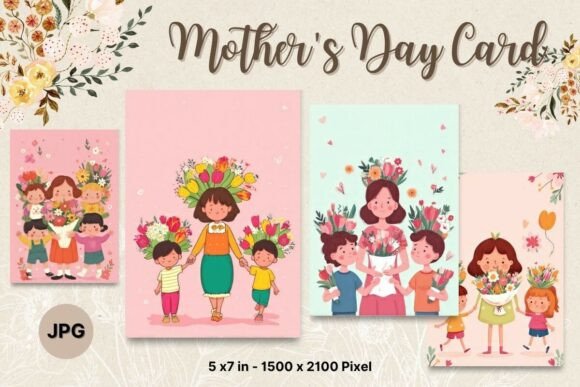
Mother’s Day Card Mom Postcard_2
A Designer’s First Look: Warm, Simple, and Ready for Stitching
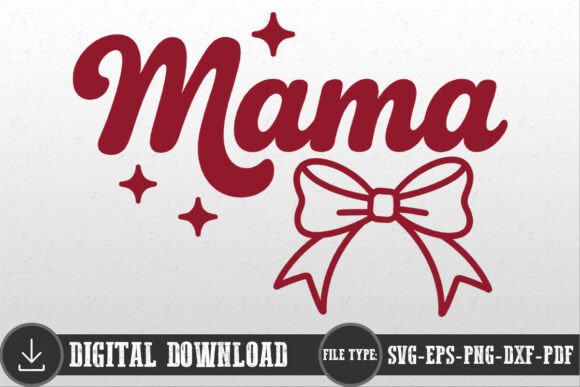
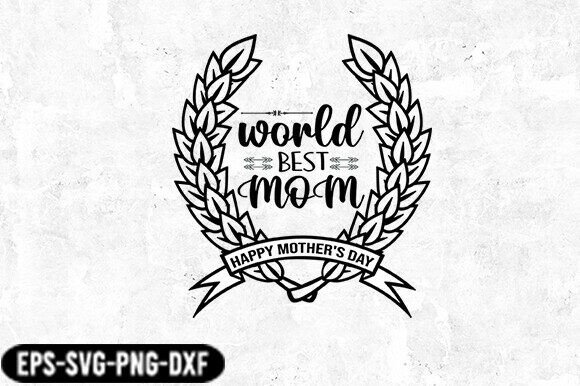
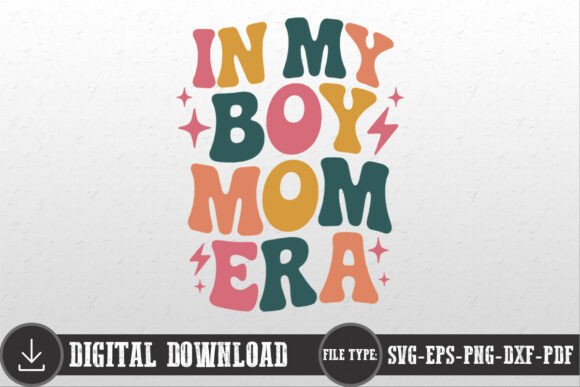
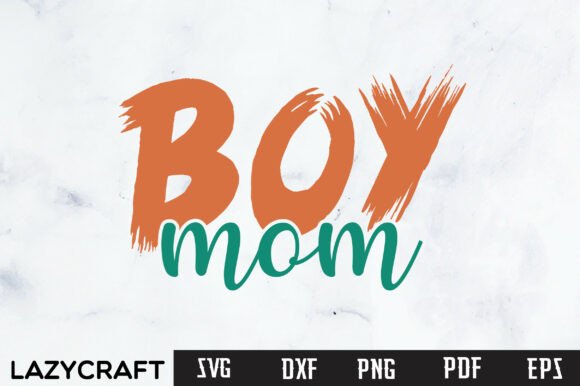
When I opened Mother’s Day Card Mom Postcard_2, my first thought wasn’t “cute”—it was “usable.” As someone who’s stitched hundreds of designs across apparel, home goods, and personalized gifts, I immediately saw its quiet strength: clean lines, balanced negative space, and a gentle typographic rhythm that feels handmade without being fussy. It reads like a handwritten note—warm but not saccharine, heartfelt but not cluttered. That matters more than you’d think when translating a digital graphic into real embroidery.
Where This Design Shines in Real Projects
I recently tested Mother’s Day Card Mom Postcard_2 as the centerpiece for a custom embroidered linen tea towel—a staple in my small shop’s spring collection. The design scaled beautifully from 3.5” to 4.25” wide without losing legibility or charm. On medium-weight fabric with light tear-away stabilizer, the letterforms held crisp edges, and the subtle decorative elements (like the soft corner flourishes) translated well in satin stitch. It worked just as well on a cotton tote bag—no ghosting, no thread pooling—and gave the finished piece that boutique-level polish customers associate with thoughtful, handmade product.
It’s also ideal for baby items: think onesies, burp cloths, or nursery pillow covers. The design’s open layout avoids dense fill areas that can stiffen delicate fabrics, and its moderate height means it fits comfortably inside standard 4x4 hoops—no re-hooping required for most small-batch makers. For Etsy sellers bundling digital embroidery files, Mother’s Day Card Mom Postcard_2 pairs naturally with minimalist floral motifs or soft monograms, making it a versatile anchor in a cohesive Graphics collection.
Where to Pause—and Plan Ahead
This isn’t a one-size-fits-all embroidery file. Its strengths are also its boundaries. Because Mother’s Day Card Mom Postcard_2 is delivered as high-res JPGs—not vector or embroidery-native formats—you’ll need to digitize it yourself or work with a digitizer before stitching. That means extra prep time, especially if you’re aiming for clean satin borders or consistent fill stitch density across varying fabric types.
On stretchy knits (like lightweight sweatshirts or baby rib), I recommend testing with cut-away stabilizer and slightly reduced stitch density to prevent puckering around tighter curves. Dark fabrics call for brighter thread choices—especially in the lighter script areas—so always mock up in black and white first to check contrast. And while the design scales well, avoid shrinking it below 2.75”: fine details (like thin serifs or delicate line breaks) risk becoming indistinct or stitching inconsistently on textured or napped surfaces.
What This Means for Your Craft Business
For small shop owners and creative entrepreneurs, Mother’s Day Card Mom Postcard_2 delivers strong perceived value—it looks intentional, not template-driven. Customers notice that. When stitched onto a kitchen towel or apron, it reads as a curated, personal gift—not mass-produced clip art. That builds trust, especially for handmade product listings where authenticity drives conversions.
That said, its JPG-only format means you’ll need to confirm licensing before selling finished embroidered items commercially—or bundling it into digital embroidery kits. Since this listing clearly states it’s a digital download only and *not* an SVG or machine-ready file, treat it as raw design assets, not plug-and-play embroidery files. Use it as inspiration, a base for custom digitizing, or part of a printable mockup series—but don’t assume it’s production-ready out of the gate.
Practical Notes Every Embroidery Designer Should Keep Handy
- Always test on scrap fabric first—especially with your intended stabilizer and thread combo. Linen, cotton duck, and terry cloth all behave differently under needle and thread.
- Check thread color contrast before final hooping. What reads softly on screen may vanish on dark denim or heather grey.
- Review stitch density visually if you’re digitizing it yourself. Avoid overloading small letterforms with dense fill stitches—they’ll stiffen and distort.
- Confirm hoop size compatibility before digitizing. The original layout suggests comfort within a 4x4 hoop at common sizes—but verify based on your machine and fabric thickness.
- Inspect small details at 200% zoom in your editing software. Those tiny corners and connecting strokes determine whether the final stitch feels polished or hurried.
- Use proper stabilizer: light cut-away for knits, tear-away for stable wovens, and fusible + tear-away for lightweight silks or rayons.
- Test on both light and dark backgrounds using printable mockups—this helps anticipate how buyers will visualize it on their own products.
- Verify commercial use rights before selling physical embroidered goods or reselling digitized versions. This file’s description doesn’t grant automatic commercial license—it’s a starting point, not a finished asset.
Final Thought: A Quiet Workhorse, Not a Flashy Showstopper
Mother’s Day Card Mom Postcard_2 won’t shout from a craft fair table—but it will earn repeat orders from customers who value sincerity over sparkle. It’s the kind of design that elevates a simple cotton apron into a meaningful Mother’s Day gift, or turns a plain sweatshirt into something tender and timeless. For embroidery designers, Etsy sellers, and small shop owners building a brand around care and craft, it’s less about what it *is*, and more about what it *lets you make*: thoughtful, stitch-perfect, quietly confident handmade product.