Mom and Child Pinky Promise Line Art SVG
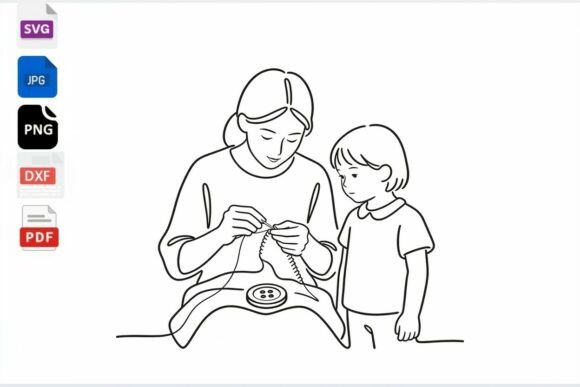
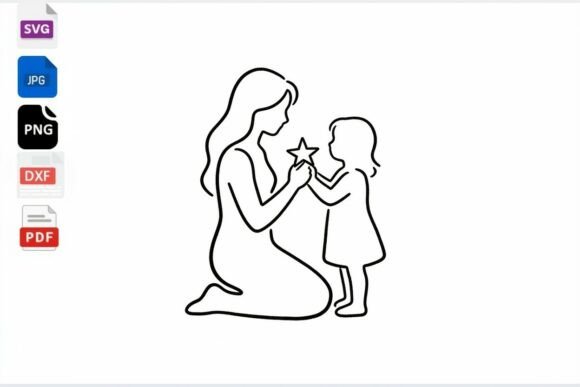
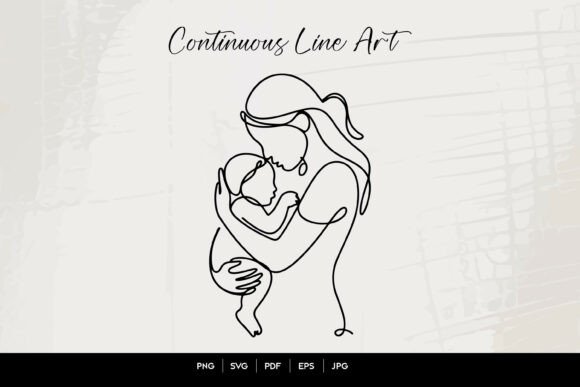
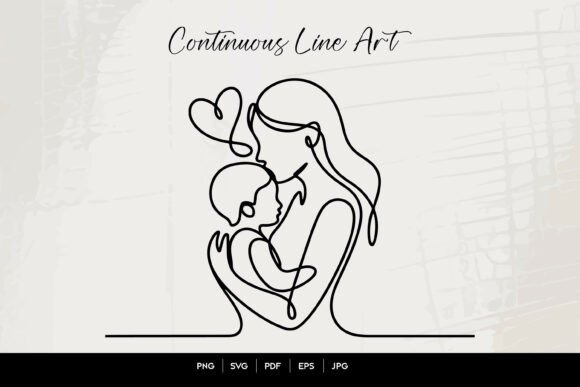
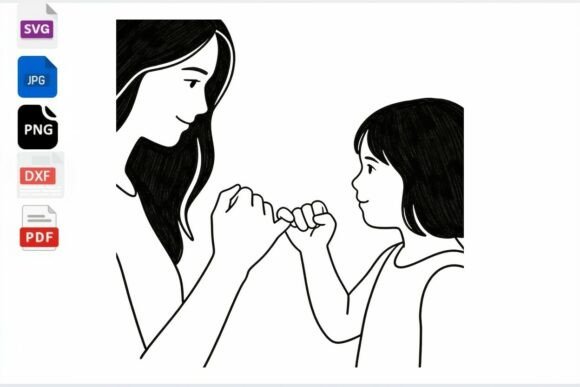
As a designer who’s stitched hundreds of custom pieces—from boutique baby onesies to Etsy best-selling tote bags—I opened Mom and Child Pinky Promise Line Art SVG expecting something sweet, but not necessarily stitch-ready. What I found was a quiet, confident line art piece that breathes sincerity without overcomplicating itself. It’s two figures—mom and child—linked by a gently curved pinky promise, rendered in clean, unbroken strokes. No shading, no gradients, no decorative flourishes. Just intention, balance, and emotional weight carried entirely through line quality and negative space.
I tested it first on a linen-cotton tea towel for a local gift shop launch. The simplicity translated beautifully: crisp edges held up under medium-density satin stitch, and the open composition gave breathing room around the figures—even at 3.5 inches wide. That’s crucial. Too many “cute” designs collapse when digitized; this one *invites* thoughtful embroidery, not frantic troubleshooting.
This isn’t a design for maximalist hoodies or dense quilt blocks. It thrives where tenderness reads clearly: baby bodysuits, nursery wall hangings, personalized sweatshirt cuffs, embroidered patches sewn onto denim jackets, or minimalist aprons for mom-owned bakeries. I used it as a subtle chest emblem on a soft cotton-blend toddler sweatshirt—and customers commented not on the stitching, but on how “real” the moment felt. That’s the mark of strong embroidery design: it supports the story, never overshadows it.
That said, real-world use demands realism. On textured fabrics like terry cloth or bouclé knit, the fine connecting line between pinkies can blur unless you adjust stitch length and stabilize aggressively. I recommend a tear-away + cut-away combo for anything with nap or stretch. And while the line art scales well down to 2.25 inches, avoid going smaller than that on caps or curved surfaces—the wrist joint and finger curvature lose definition fast under tension and compression.
Dark fabric? Yes—but only with high-contrast thread (ecru on charcoal, navy on ivory). The design relies on silhouette recognition, so low-contrast pairings mute its emotional impact. On light fabrics, a single-layer stabilizer works fine; on thin or slippery materials like rayon challis, add a lightweight fusible to prevent puckering around the arms and shoulders.
Here’s what surprised me: how well it holds up across product types that demand different expectations. As a machine embroidery design for a handmade product, it feels intentional—not generic. As an applique design, the outline gives perfect placement guidance. As a digital embroidery file for commercial embroidery, its clean vector foundation means easy resizing without jagged edges. And for Etsy sellers building cohesive collections, it pairs naturally with simple monograms or short phrases like “Always” or “My Person”—no clashing visual energy.
It doesn’t scream “look at me.” It whispers “I see you.” That makes it ideal for personalized gifts—especially milestone items like first birthdays, Mother’s Day keepsakes, or adoption celebrations. Buyers don’t just want embroidery; they want meaning delivered cleanly. This design delivers that without needing embellishment, extra layers, or filler motifs.
Where it falls short? Don’t force it into dense fill-stitch territory. There’s no built-in background, no ornamental border—so if your brand leans heavily into decorative framing, you’ll need to add that manually. Also, avoid using it as a standalone large-scale motif on quilts or blankets unless you’re willing to digitize supporting elements (like a subtle vine or cloud) to anchor the composition. Its strength is restraint—not volume.
For craft business owners, this is a quietly versatile asset. It works equally well as a finished embroidered patch (great for pop-up markets), a sweatshirt embroidery centerpiece, or a printable mockup element for social media listings. Because it’s offered in SVG, EPS, PNG, PDF, AI, and JPG formats, you can prep files for Cricut users, screen printers, and embroidery digitizers without re-tracing. That flexibility saves hours—and builds trust with repeat buyers who know your design assets are production-ready.
A few practical notes before you stitch:
- Always test on scrap fabric first—especially if pairing with stretchy knits or dark backgrounds.
- Review stitch density in your embroidery software. This line art should run at 30–40% fill max if you add any satin or fill elements later.
- Confirm hoop size compatibility. At standard 4x4 inch, it fits comfortably with room to spare—but verify your machine’s actual stitching area.
- Inspect small details like the curve of the pinky link and the subtle bend in the child’s elbow. These define the warmth of the pose.
- Test black-and-white mockups before finalizing thread colors—this design lives or dies by contrast clarity.
- Use proper stabilizer for your fabric type. Skipping this step risks distortion in the arm lines and loss of gesture.
- Check licensing terms before selling finished items or reselling the digital embroidery file. The listing mentions it's a Silhouette Cut File—but confirm commercial use rights directly with the seller.
In short: Mom and Child Pinky Promise Line Art SVG earns its place in a working designer’s library because it balances emotion and execution. It’s not flashy—but it’s reliable, scalable, and deeply resonant. Whether you're embroidering a holiday gift for a new mom, stocking a boutique with heartfelt apparel, or building a cohesive digital product suite for crafters, this design does the quiet work of connecting people—stitch by thoughtful stitch.